

long-term view : ค้นหาหนังสือธรรมะ หน้า 11 / 47
หน้าหนังสือทั้งหมด
3
Establishment of Rules in the Pāṭimokkha
Abstract:
When Were the Rules in the Pāṭimokkha Established?
by THANAVUDDHO BHIKKHU
Many modern scholars in both the East and West share the view that most of the content in the Vinayapitaka, t
This article by THANAVUDDHO BHIKKHU discusses the establishment of monastic rules in the Pāṭimokkha, challenging the view that these rules were developed post-Buddha. Through comparative studies of va
4
The Impact of Pāṭimokkha Rules on Monastic Life
Unlike the *Sutta*, once any rule of the *Pāṭimokkha* has been set down, it will affect the daily life of all monks. If any monk breaks it, he must admit for his offence. Therefore, it is hard to imag
The Pāṭimokkha rules, once established, significantly influence the daily lives of monks within the sangha. Any monk who breaks these rules must confess to the offense, which underscores the importanc
18
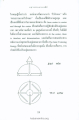
มหากรุณาธิคุณและทฤษฎีไวโรจนะ
มหากรุณาธิคุณ
ในทฤษฎีนี้กล่าวว่า องค์กลางที่พระนามว่า "ไวโรจนะ" หรือ "พระธรรมกายไวโรจนะ" นั้นเป็นองค์ที่มีอำนาจสูงสุด และเป็นองค์ที่สื่อสารกับอายตนะนิพพาน คือ from center to center and through the ce
ทฤษฎีนี้กล่าวถึงพระธรรมกายไวโรจนะซึ่งเป็นองค์กลางที่มีอำนาจสูงสุดที่สื่อสารกับอายตนะนิพพาน โดยมีพลังสื่อสารปฏิสัมพันธ์กันตลอดเวลา ณ จุดศูนย์กลางที่มีลักษณะไร้มิติและไร้เวลา นอกจากนี้ยังมีการสอดประสานพ
10
Exploring the Dhammacakkapavattana Sutta and the Four Noble Truths
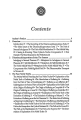
Contents
Author's Preface ............................................................................................................... 9
1 Overview ................................................
This text delves into the Dhammacakkapavattana Sutta, highlighting its key teachings on the paths of sensual indulgence and self-mortification, and emphasizes the Middle Way. The content covers the Fo
24
The Path of Self-Mortification in Buddhism
2. The Path of Self-Mortification
According to the Buddha, the practice of self-mortification [attakilamathānuyoga] is fruitless. He said that it is not a practice in keeping with the tenets of Buddhi
In Buddhism, the practice of self-mortification is deemed fruitless by the Buddha. He elucidates that these practices, such as lying on thorns and severe fasting, do not genuinely rid individuals of d
25
The Middle Way: A Path to Liberation
3. The Middle Way
The Middle Way [majjhima paṭipadā] is a path of practice that avoids the extremes of either sensual indulgence or self-mortification. It is a path of practice that is conducive to ta
The Middle Way [majjhima paṭipadā] serves as a balanced path in Buddhism, steering clear of both sensual pleasures and self-mortification. This approach is aimed at tempering the mind, achieving supre
50
Understanding the Noble Truths of Suffering
the 'Noble Truth of the Suffering', the 'Noble Truth of the
Origin of Suffering' and the 'Noble Truth of the Cessation
of Suffering'. In brief, the artistry of the Lord Buddha is to
integrate all four
The teachings of the Lord Buddha encompass the Four Noble Truths, with a significant focus on understanding suffering. Suffering is characterized through various forms — from birth to death, highlight
119
The Noble Truth of the Path to the Cessation of Suffering
The Noble Truth of the Path to the Cessation of Suffering
The final of the four Truths of the Noble Ones taught by the Lord Buddha was the Path to the Cessation of Suffering (or the Noble Eightfold P
The Noble Eightfold Path, the final of the Four Noble Truths, is the way to eliminate suffering and attain Nirvana. It consists of eight components: Right View, Right Intention, Right Speech, Right Ac
125
Cultivating Transcendental Knowledge in Buddhism
It is for this reason that the Lord Buddha advocated his monks to cultivate transcendental knowledge in order to put themselves beyond the reach of sensuality [kāma], unwholesomeness [akusalamadhaṃma]
The Lord Buddha encourages monks to attain transcendental knowledge to rise above sensuality and eradicate False View. Achieving the First Absorption endows practitioners with joy, happiness, and focu
138
The Path to Enlightenment in Buddhism
grasping [räga], hatred [dosa] and delusion [moha]. When the mind is sufficiently pure to be released from these three defilements, the mind will attain the Formless Brahma Body.
The defilements assoc
This text discusses the process of achieving enlightenment in Buddhism, focusing on the overcoming of three main defilements: grasping (räga), hatred (dosa), and delusion (moha). It explains the attai
143
Understanding the Dhamma Body and the Noble Path
Dhamma Body — not with the human eye or the naked eye.
All the knowledge that brought him to Buddhahood came
by the ‘knowing’ of the Dhamma Body, not by rationale or
reasoning with the logical (hum
The Dhamma Body can only be perceived beyond the human eye, allowing the Buddha to grasp deep truths about existence. His compassion drove him to teach the Noble Path for the liberation of others, adv
144
The Components of the Eightfold Path
The Components of the Eightfold Path all arise together
When the factors of the Eightfold Path arise, they do so to-
gether — just as the elder monk Koṇḍañña, after listening
to the Dhammacakkapavatta
This text discusses the Eightfold Path, emphasizing how all eight components arise together as illustrated by the elder monk Koṇḍañña's attainment of Stream-Entry. It explains the importance of Right
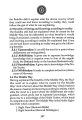
199
The Buddha's Teachings on Reality and the Middle Way
the Buddha didn’t explain what the device was by which they could see and know according to reality, they could follow the gist of what he was explaining.
2.3 Benefits of Seeing and Knowing according
This text delves into the teachings of the Buddha regarding the benefits of seeing and knowing according to reality. Although he did not explicitly define the device for achieving this understanding,
204
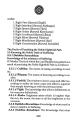
The Noble Eightfold Path and Its Fruits
earlier:
1. Right View [Sammā Ditthi]
2. Right Intention [Sammā Saṅkappa]
3. Right Speech [Sammā Vāca]
4. Right Action [Sammā Kammanta]
5. Right Livelihood [Sammā Ājīva]
6. Right Effort [Sammā Vāyāma]
The Noble Eightfold Path consists of eight practices aimed at ethical and mental development, leading to enlightenment. The path includes Right View, Intention, Speech, Action, Livelihood, Effort, Min
212
The Noble Truths of Suffering and Cessation
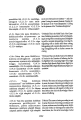
πεonæbhabikä <3.2.1.2> nandīrāga- one to one's here-and-now existence — and compries Craving for sensual pleasure; Craving for
sahagata <3.2.1.3> tatra taträ- the pleasure of the "form-absorptions"; C
This text discusses the Noble Truth of suffering (dukkha) and its cessation, emphasizing the importance of extinguishing craving to achieve liberation. It presents the Eightfold Path as the method to
230
Insights into Buddhist Teachings
Kondaṇña 142; abstention from killing 158-60; instilled by loving kindness 141; tool of Right Livelihood 144
Right View 20, 39-40, 115, 117, 118, 141, 197: transcendental 39-40; mundane, 39, 147-51; a
This text discusses various Buddhist concepts such as Kondaṇña's role in understanding Right View and the importance of loving kindness and self-discipline in achieving liberation. It highlights examp
243
Buddhist Terminology and Concepts
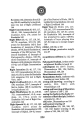
Speech at the transcendental level) see sense consciousness) manussasampatti (see worldly wealth) Mara q.v. (P. devil, demon) maggañāṇa (see knowledge of the path out of defilements) maraṇa (see dying
This text delves into essential Buddhist terms and their meanings. It covers concepts such as Mara (the demon), Mettā (loving-kindness), and the significance of terms like 'maraṇa' (dying) and 'mutti'

28
Untitled
gold. They will realize he must have been a very important person to receive such an honour and veneration. The casting of his gold image is not merely a material expression of gratitude for his compa
No content provided to summarize.
20
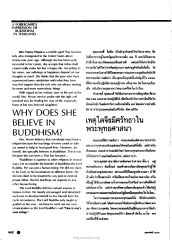
ความประทับใจของชาวต่างชาติที่มีต่อพระพุทธศาสนาในประเทศไทย
A FOREIGNER'S
IMPRESSION OF
BUDDHISM
IN THAILAND
Mrs. Nancy Hyson is a middle-aged Thai business
lady who immigrated to the United States about
twenty-one years ago. Although she has been quite
succes
lady who immigrated to the United States about twenty-one years ago. Although she has been quite successful in her career, she accepts that riches itself cannot really make her live a happy life. Acco

38
สร้างเยาวชน — วารสารกัลยาณมิตร ปี 2532 ฉบับที่ 6 หน้า 38
สร้างเยาวชน
ไว้สร้างชาติ
เ ย า ว ช น ส ร้ า ง ส ร ร ค์
สัมภาษณ์และเรียบเรียงโดย ดวงบุญ
AUX VIEW
๓๖
กั ล ย า ณ ม ต ร
สร้างเยาวชน
ไว้สร้างชาติ
เ ย า ว ช น ส ร้ า ง ส ร ร ค์
สัมภาษณ์และเรียบเรียงโดย ดวงบุญ
AUX VIEW
กั ล ย า ณ ม ต ร